October 9, 2026
A couple of years after the celebration of the 100th anniversary of the Panama Canal, the country prepares for the opening of the long awaited expanded Canal on 26 June 2016. This event will mark the conclusion of nine years of engineering works at costs in the region of USD 5.25 billion, although the actual cost figure will perhaps never be known.
The expanded Panama Canal intends to double the capacity of the existing waterway by adding a third set of locks, giving way to ships that can carry over twice as much cargo. Two new sets of locks have been built, one on the Atlantic and one on the Pacific side. As part of the construction works, the existing water channels have been widened and deepened, and the water of the Gatun Lake has been raised to the maximum operating level.
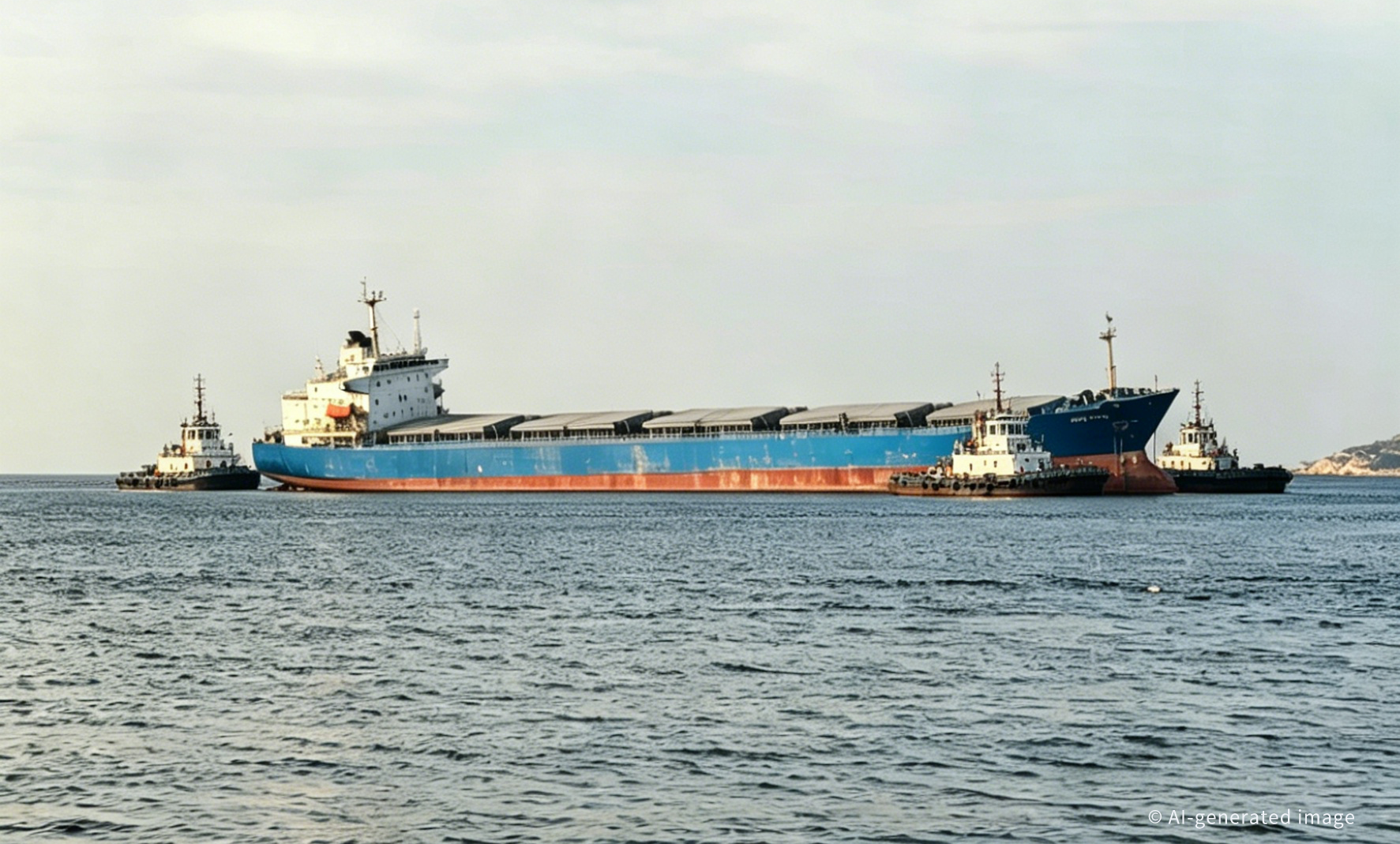
The present locks (Panamax-size) can handle ships up to 106 feet wide, 965 feet long and 39.5 feet of draft. The new locks will be able to fit vessels up to 160 feet wide, 1,200 feet long and 50 feet deep. Container ship capacities will increase from 4,400 twenty-foot units, to about 13,000-14,000 TEU's. It is expected that between 10 to 12 Neo-Panamax size vessels, as long as four football fields, will cross the Canal daily, increasing the overall number of transits to approximately 50 per day.
A report published by insurers Allianz Global Corporate & Specialty, analysing the risk management impact of the new canal, concludes that bigger vessels "automatically pose greater risks, giving a serious incident the potential to lead to a sizable loss and greater disruption. Increasing traffic of bigger ships also adds to the amount of diesel and petroleum being transported, which could raise the pollution risk in an accident". In reaction to the report, the Panama Canal Authority confirms that they have invested thoroughly in personnel training, loss prevention programmes and contingency plans. However, it is not a secret that this institution has been criticised for the reduced budget assigned to the training. It has been said that the amount designated to training is fractional considering the total costs required to build the expanded canal and the risks that a grounding or pollution incident may represent for the maritime industry.
Despite the risks and challenges, many ports on the US East and Gulf Coasts are getting ready for bigger ships. These ports have up to now used the Suez Canal for vessels coming from Asia and expect their trade capacity to expand as much as the new canal.
It remains to be seen whether the expansion will be successful and which impact it will have on the global economy, shipping and insurance. However, what is clear is that bigger ships and more transits through the Panama Canal will concentrate larger amount of insured goods under a new and untested risk. In any event, we expect members to implement extra security measures during the first transits, thus preventing unforeseen risks.