October 9, 2026
Despite the well-publicized risks of cargo liquefaction, problems with wet nickel ore cargoes shipped out of the Philippines persist. At the heart of the problem lies inaccurate cargo declarations and certificates provided by the shippers.
Nickel ore is listed in the IMSBC Code as a Group A cargo that may liquefy and shippers must, in accordance with Section 4 of the Code, provide declarations and certificates evidencing that the cargo is safe to carry with a moisture content below its established Transportable Moisture Limit (TML). Unfortunately, there have been numerous occasions where documentation provided by shippers located in the Philippines has been found to be inaccurate and Gard has issued circulars and alerts warning Members and clients of the dangers and problems of nickel ore shipped from the Philippines since early 2010.
According to information received from Pandiman on 12 April 2017, the problems that were identified earlier with the carriage of Philippine nickel ore cargoes persist. Stockpiles are stored in the open and are exposed to the elements all year round. Appointed independent surveyors are often denied access to shore stockpiles and may also receive various forms of threats if they reject barges with apparent wet cargoes. Samples sent for independent laboratory analyses more often than not “fail” the IMSBC Code testing criteria. According to Pandiman, an 8-10 per cent difference in TML between the shippers’ declarations and the independent analyses is not uncommon.
The current political situation in the country is also likely to add to the problem. The Department of Environment and Natural Resources (DENR) ordered closure/suspension of several nickel ore mines in the Philippines in February 2017. The mining companies have appealed this order, however, faced with a potential closure/suspension in the near future, the mines appear keen to ship as much ore as possible before the order takes effect.
Precautionary measures
In light of the continuing situation in the Philippines, Gard’s recommendations remain unchanged and we advise Members and clients fixing to load nickel ore from ports in the Philippines to notify the club and follow the precautions. In particular:
· The accuracy of the shipper’s certificates should not be relied upon.
· A vessel should not be loaded solely on the basis of can testing of the cargo.
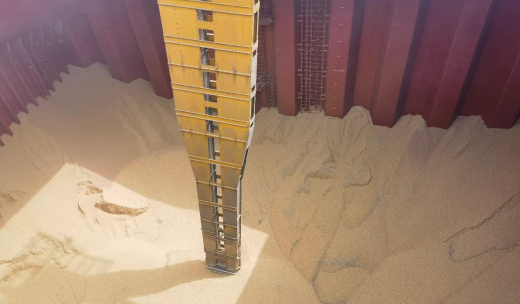
· Crew members monitoring the loading operation should watch out for signs such as splatter on the sides of the holds or water pooling on the cargo.
· The master has an overriding authority under SOLAS not to load the cargo or to stop the loading of the cargo if he has any concerns that the condition of the cargo might affect the safety of the ship.
· An experienced surveyor should assist the master in rejecting cargo that may not be safe for carriage and in arranging for sample analysis at an independent laboratory, as appropriate.
Mandatory notification
We also take the opportunity to remind Members who plan to fix or charter a ship to load nickel ore from ports in Indonesia and the Philippines, or where a ship is ordered to load such cargo under an existing fixture, of their obligation to report this to Gard in accordance with the mandatory notification requirements set out in our .