
October 9, 2026
The year of 2020, suffering from the COVID-19 pandemic, has seen hundreds of thousands of seafarers stuck on board. These key workers who have been devoted to global trade are currently not able to return home, or sign on board regularly, or even get medical care at shore when sick or injured, and are therefore experiencing anxiety, dysphoria, phobia, and others. Serious concerns have been raised in the midst of this mental health crisis with some extreme cases reported occasionally. Based on shipping practices and psychological theories, the Club in association with the School of Public Administration and Humanities of Dalian Maritime University has worked on a poster of 8 mental health tips to help seafarers get through the outbreak and lead a safe career.
1. Socialize
There has been a trend among the younger generation of seafarers to take a picture of the splendid view at sea and just post it on Instagram. A recent research by the University of Sheffield and the Lancaster University has recognized the benefits from the use of social media – it can be self-motivating and a source of happiness for the users by helping them stay connected to the community and building unforgettable memories.
2. Talk with family and friends
According to psychological studies, with support from family, a man can be more confident, objective-oriented, and open to challenges. Also, with encouragement and love from family, a man will be given stronger power to fight with frustrations and loneliness.

3. Some game time may help
It is mentioned in the book The Origin and Essence of Chinese Chess that strategy board games have essentially become a reflection of life philosophy. Chess and puzzle games can improve logical thinking, focus, cognitive abilities, and help develop a sense of teamwork, but it is important that seafarers, especially those on duty, should be careful not to spend too much time on it.

4. Try music therapy
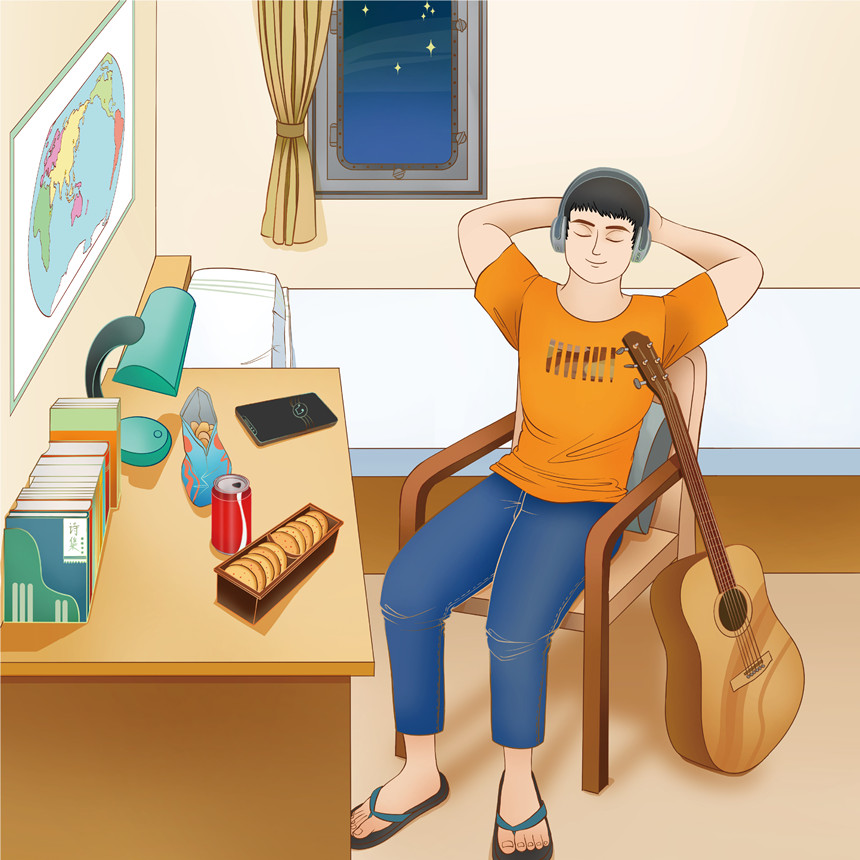
The Pavlovian concept of orienting reflex has told us that response to sound, compared with other stimuli, tend to be more active. Listening to soothing and joyful music can be an effective way for seafarers to relieve distress and manage emotions.
5. Actively engage with others
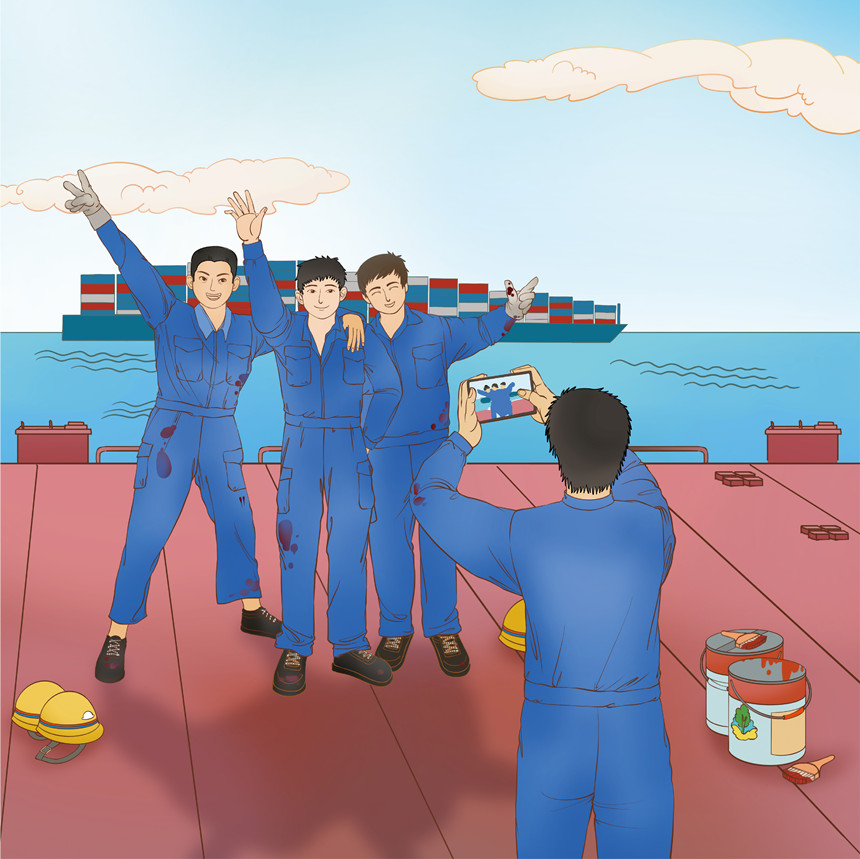
According to the survey report of Research on the Mental Health of Chinese Ocean-going Seafarers, nearly 40% of interviewees believe that tension among coworkers is the major reason for seafarers to be emotional vulnerable at sea. By having group activities on a regular basis, fellow crew members will have the opportunity to clear up misunderstandings, establish effective communication and therefore form a strong bond.

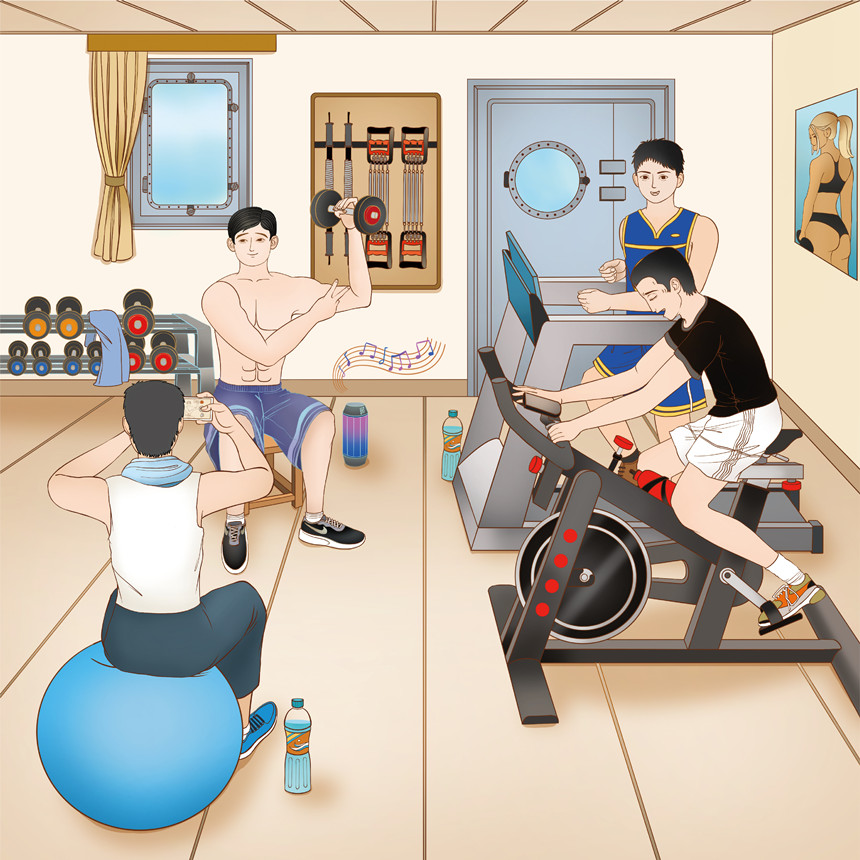
6. Exercise
Scientific research has proved that exercise can facilitate the functions of internal secretion and human body will release chemicals called endorphins that trigger a positive feeling and reduce the perception of pain.
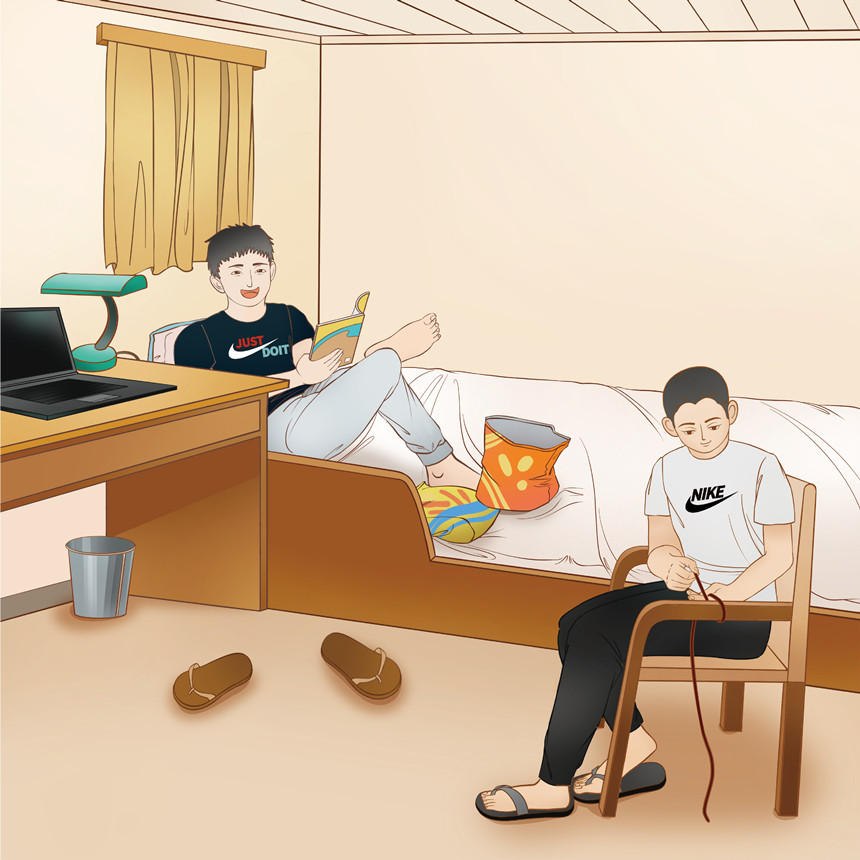
7. Do some reading
Modern science has confirmed that bibliotherapy can help improve memory and the ability to focus. Reading and learning practical skills on board can make seafarers more confident, assertive, and adaptive in adverse environment.
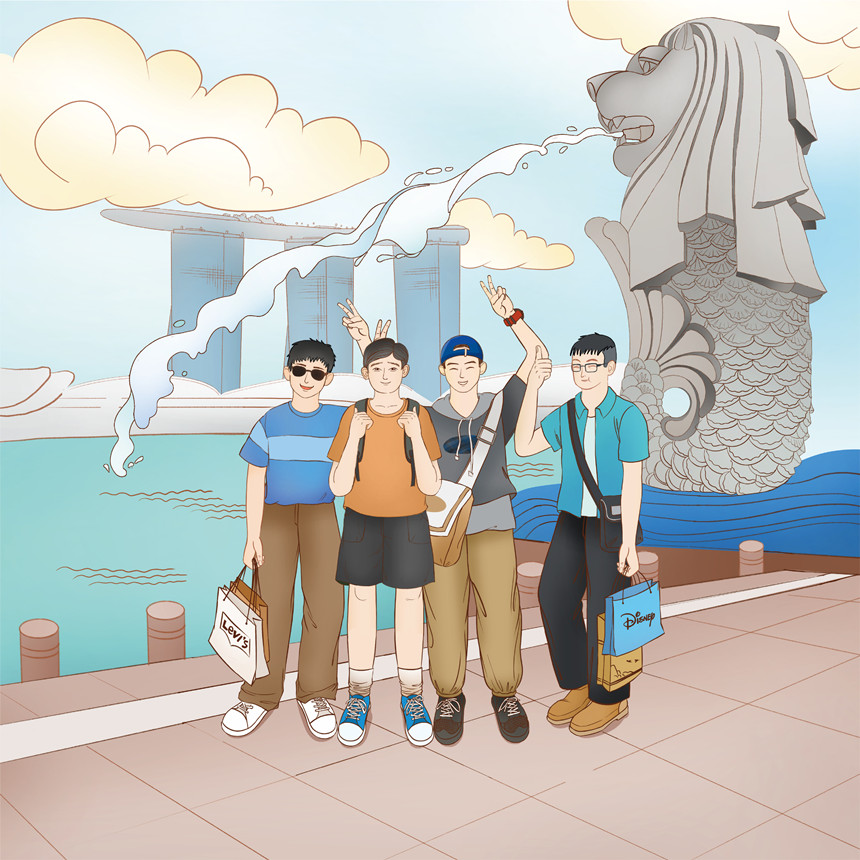
8. Disembark until it is safe
The survey in How are Seafarers Mentally Evolving during Oceangoing Voyages and the Effects on Their Immune Function shows that crew members tend to be mentally affected the most when having worked on board for more than 6 months, possibly with symptoms like diarrhea and headache. Seafarers disembarked to go touring or shopping can temporarily switch away from their role and let out the pressure that has been accumulated for working and living within limited spaces. As soon as the pandemic gets under control, seafarers should be once again encouraged to have some nice time on shore.