October 9, 2026
Cargoes of iron ore fines are susceptible to liquefaction at the port of Pepel, Sierra Leone.
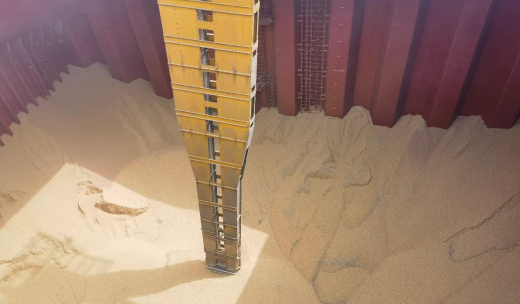
As informed by the Association’s correspondent at Sierra Leone, some cargoes of iron ore fines intended for shipment from the port of Pepel have been stockpiled outdoors uncovered for a prolonged period posing a particular risk of liquefaction during the wet season from April to October. The International Group understands that some of the cargoes have been previously considered too low grade for export and are now being blended with higher grade materials for export. Members should be aware that iron ore fines shipped from Pepel with a high moisture content may liquefy.
I. Iron Ore Fines
Resolution MSC.393(95) Amendments to the International Maritime Solid Bulk Cargoes (IMSBC) Code was adopted at the 95th session of the Maritime Safety Committee and came into effect on 1 January 2017. Pursuant to the amendment, iron ore fines containing both 10% or more of fine particles less than 1 mm and 50% or more of particles less than 10 mm are classified as Group A cargoes. They may liquefy if shipped at moisture content in excess of the TML, and may undergo a process from cargo shift to the generation of free surface effect.
II. Cargo risk at the port of Pepel
When the moisture content of cargoes shipped from Pepel is above 14% the risk of liquefaction can be very high. Typically, iron ore fines from the region will display moisture contents of between 13% and 16% during the wet season. In addition, it is normal for the upper surfaces of any stockpiled material to appear relatively dry during the dry season but wet at increasing depths throughout the material. It is important therefore that shippers carefully monitor, identify, and separate those materials that require stockpiling and draining from those materials that are safe to ship.
Although the IMSBC Code requires shippers to provide Masters with appropriate information on the cargo sufficiently in advance of loading to enable the necessary precautions for proper stowage and safe carriage of the cargo. Members should also be aware that anomalies and inconsistencies have been seen in declarations and test certificates provided by shippers for shipment of iron ore fines from Pepel. That would suggest that some shippers are not adequately assessing or understanding the safety characteristics of the material intended for loading. Check tests run on such materials (by means of the can test) may also provide misleading results if not correctly interpreted.
Members should be reminded that can test as a simple method to evaluate liquefaction potential does not necessarily mean the presence of surface water can be relied upon as a sole basis for acceptance of any such cargo for loading.
III. Control prior to loading
It is essential that Members loading iron ore fine cargoes from Pepel, Sierra Leone obtain current, valid and accurate information from the shipper on the physical and chemical properties of the cargo presented for shipment. Masters should know for sure that it is the shipper’s responsibility to ensure that the requirements and procedures for testing and analyzing the moisture content and TML of cargoes which may liquefy are complied with. The TML of solid bulk cargoes should be determined no more than 6 months earlier than the loading of cargoes and the moisture content of sample cargo should be tested no more than 7 days earlier. Managers and masters should keep an eye on weather of the port and request a second test in the event of rainfall.
Early identification of any documentary discrepancies or concerns is key to providing a timely solution before loading and therefore minimising delays. Members will be up against substantial safety and commercial risks once cargoes with excessive moisture are loaded. Calling vessels should hence ensure they receive the shipper’s declaration and test certificates well in advance and determine the actual MC by all means.
IV. Advice to Members
Despite the IMSBC provisions, inaccurate declarations of some Group A cargoes or excessive moisture content do exist in certain countries due to unsound legislation or inadequate equipment. What makes the cargo quality an increasing concern is the inappropriate caring of cargoes prior to loading.
Members should be aware of the precautions to be taken for shipment of cargoes that may liquefy. For carriage of cargoes that consist of fine particles, regardless of the shipper’s declaration, loss prevention advice as provided in Circular (CLM) 02/2011 should be followed.
Pursuant to Circular (CLM) 09/2012 Carriage of Nickel Ores from Indonesia, the Philippines and New Caledonia, Members should inform the Association in advance if planning on trading in these areas. They may also be referred to previous circulars for safety advice on carriage of iron ore fines.
Finally, Members should be advised that they can seek further guidance from the Association if there are any concerns when loading iron ore fines cargoes from Pepel, Sierra Leone.
For more information, please contact Managers of the Association.