October 9, 2026
The current situation in Barranquilla indicates that risks of grounding are drastically increased.
The Association has mentioned grounding risks in the port of Barranquilla due to variation of water volume in circular LP 31/2021. We have again been notified by our local correspondent of the current situation in Barranquilla where risks of grounding are drastically increased due to reductions of depth and suspension of dredging operations. Therefore, the Association considers it a timely opportunity to remind Members calling Barranquilla to be careful to assess the risk and avoid groundings.
I. The port of Barranquilla
The port of Barranquilla is located at the mouth of the Magdalena River, the largest river in Colombia. Its drainage basin has a tropical climate receiving an annual rainfall of 1,000-10,000mm. Rainfall is highest in the up-stream mountain areas during the month of October through November, and relatively low from January to February. Its runoff depth is 830mm with an average runoff modulus of 0.026 m3/s*sq km and an upper basin runoff modulus of 0.114 m3/s*sq km. The mainstream has an annual mean discharge of 7,000 m3/s, an annual water level variation of 7m, a mean suspended sediment concentration of 0.78 kg/m3, and a sediment runoff of 172 million t/a. Although bathymetric report of the river is updated weekly or biweekly on the official website of Colombia’s national hydrographic and oceanographic research centre, it offers limited information considering the significant amount of sediment and restrictions in sounding the riverbed.
Due to the strong rainy season and the increase of silt deposits at the mouth of the river, the sedimentation levels across the navigable channel have also increased. Dredging companies have suspended their operations to negotiate with the authorities in hope of expanding the scope of work covered in the contract. With dredging operations suspended for almost a week, the changing hydrodynamics of the river can be worrying.
II. Draft limits for ships
Due to the unusual situation at the mouth of the Magdalena River, the local maritime authority has fixed a maximum allowed draft limit for ships of different length:
The current limit is at its historical lowest. The port authorities have been negotiating with dredging companies to get dredging operations underway as soon as possible. In the meantime, no ships will be allowed to sail or arrive if the above draft limits are exceeded.
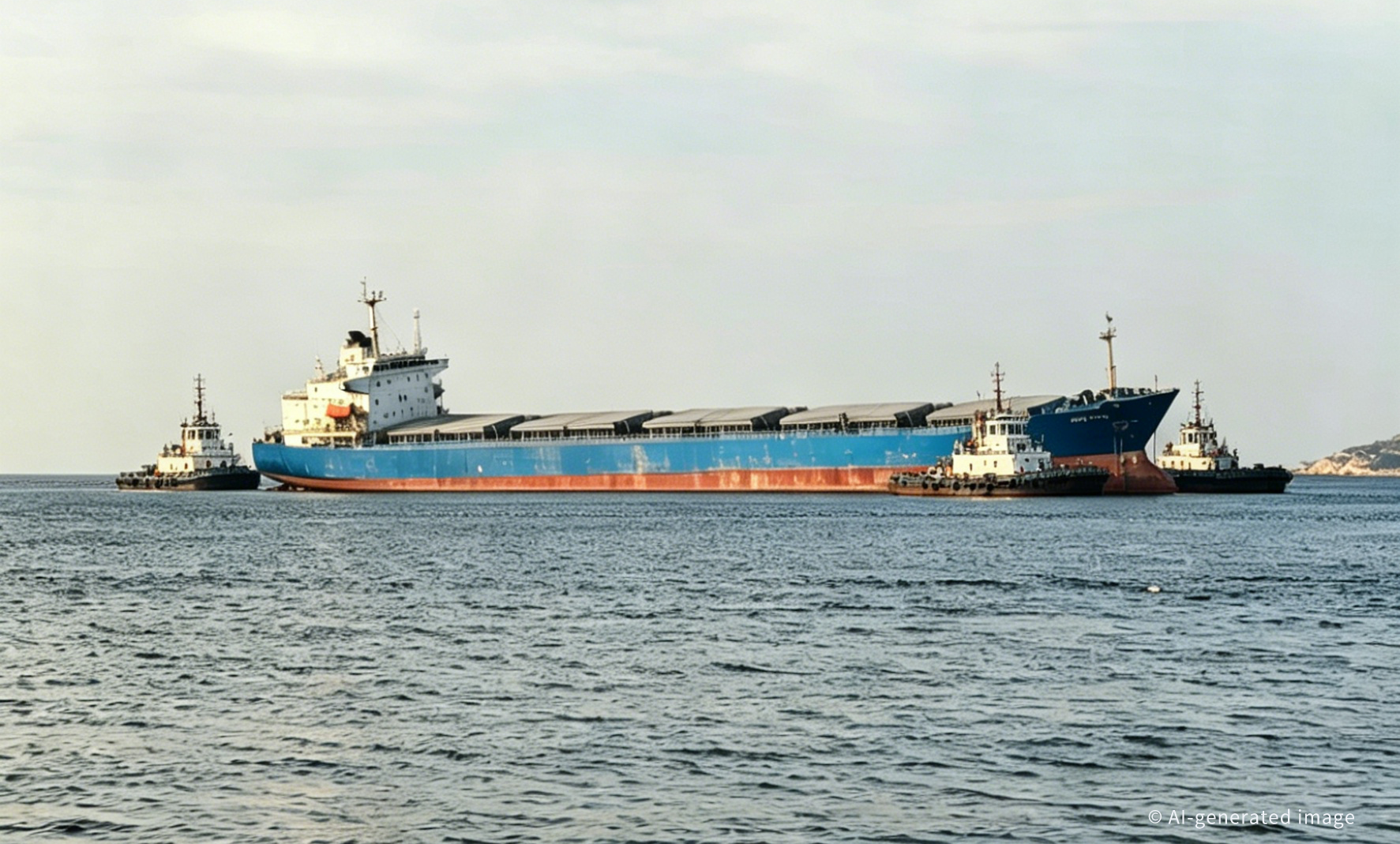
Up to 6 ships are waiting off the port for further instructions by the authorities and many other ships are not able to leave. The Association of Port Facilities of Barranquilla estimates a loss of USD 18 million to local economy. Many ships have to change their voyage plans and deviate to the port of Cartagena or Santa Marta.
III. Advice to Members
Members planning to call Barranquilla or already operating in nearby waters should be aware of the risks, and to mitigate the risks it is recommended that Masters do the following:
For more information, please contact Managers of the Association.