Skip to content

LP 10/2025 Safety Mooring and Anchoring Measures during Indian Monsoon Season

June 6, 2025Bulletins

Each year from June to September, the southwest monsoon dominates the Indian Ocean region, bringing heavy rain and flash floods and jeopardizing ships safety in the region.

The India Meteorological Department (IMD) announced the arrival of the monsoon over Kerala on Saturday, May 24th, eight days earlier than the typical onset date of June 1. This signals the start of India’s four-month southwest monsoon season, which spans from June to September.

The JSW Jaigarh Port Authority in India has released a circular, detailing the Standing Operating Procedure (SOP) for vessel mooring and anchoring during the monsoon. The SOP is effective from 15 May 2025 to 15 September 2025.

These guidelines have been updated to conform to industry best practices, such as SOLAS Chapter V, OCIMF Mooring Equipment Guidelines 4th Edition (MEG4), ISGOTT, and local port regulations. Vessels failing to comply with the SOP may face operational delays, fines, and/or restrictions on their movement as determined by the Port Authority. Even though the guidelines are specifically for Jaigarh port, they hold significant relevance for vessels visiting any port in the region during the monsoon season.

I. The influence of monsoon on ship safety

From June to September each year, the southwest monsoon prevails in the Indian Ocean region. During this period, strong southwest winds blow over the Indian subcontinent, accompanied by heavy rain and flash floods. The land and coastal waters of India, Pakistan, Sri Lanka and Bangladesh will be directly impacted, and Myanmar, Thailand, Cambodia and Vietnam will also be affected.

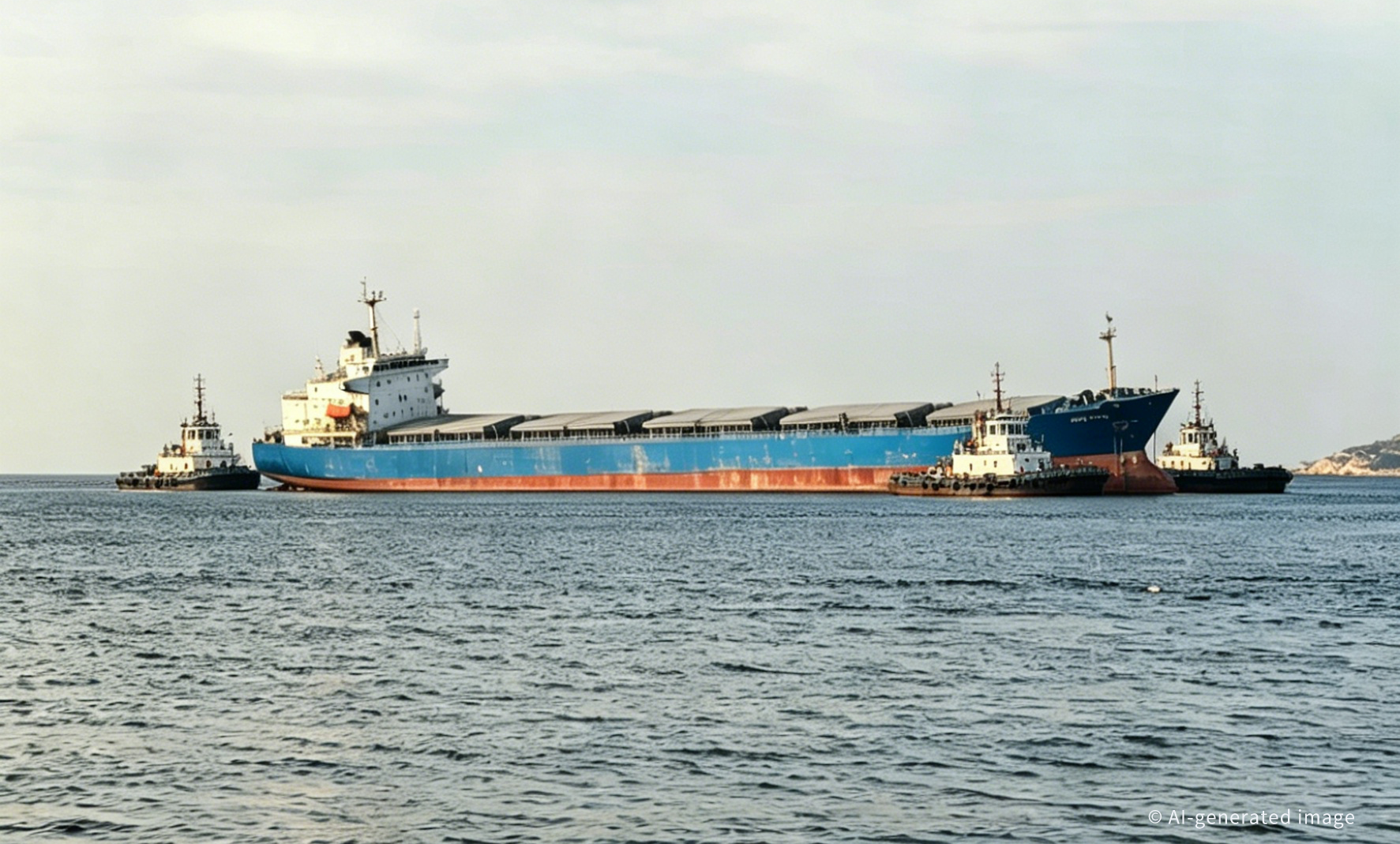
This scenario poses significant risks to ships berthed at ports in this area. The persistent monsoon can cause ships to be affected by the windward force during berthing, being blown away from the quay and creating a gap between the ship and the dock. This severely jeopardizes the safety of ship berthing, loading and unloading operations, and the embarkation and disembarkation of personnel. It can lead to allisions with the quay, collisions with adjacent ships, damage to port machinery and facilities, and even incidents of personnel falling overboard.

Prolonged monsoon-induced swells can also affect ships at anchor or berthed in port, potentially resulting in accidents such as anchor dragging and chain breaking. Typically, when swells from the Indian Ocean reach a port without an effective breakwater or with a poorly oriented one, the port waters become agitated. The ships then face dynamic loads that cause pitching, rolling, or swaying. This not only wears down mooring ropes but can also damage port fenders and other port facilities.

II. Compliance with Mooring Equipment Standards

  1. All vessels must ensure that mooring equipment and practices comply with OCIMF MEG4 and port standards.
  2. Mooring lines, hardware, winches, and anchors must be inspected and in proper working order prior to arrival.

III. Mooring Practices

  1. Auto-Tensioning Systems: Strictly prohibited during vessel stay. Manual tension must be maintained to adapt to dynamic loads during monsoon.
  2. Standby Fire Lines: Maintain charged fire lines fore and aft at all times, ready for emergency deployment.
  3. Main Engine Readiness: Main engine immobilization is strictly prohibited. Vessels must be capable of departure with short notice at all times.
  4. VHF Watch: Maintain continuous VHF Channel 11 watch for communication with Marine Control Tower.

V. Mooring Configuration (Mandatory by Vessel Type)

  1. Capesize Vessels: 5+5 configuration (5 headlines + 5 sternlines + 5 spring lines fwd and aft)
  2. Panamax / Handymax / LPG Vessels: 4+4 configuration (4 headlines + 4 sternlines + 4 spring lines fwd and aft)
  3. Mini Bulk Carrier (MBC) Vessels: 3+2 configuration (3 headlines + 3 sternlines + 2 spring lines fwd and aft)
  4. Spare lines must be readily available for emergencies.

V. Additional Best Practices for Mooring

  1. Mooring Line Material: Use high-strength polyester or polypropylene lines with adequate breaking strength.
  2. Preventive Maintenance: No maintenance of mooring equipment allowed while alongside.
  3. Regular Inspection:

1) Inspect lines daily for chafing, cuts, or wear. 

2) Replace damaged lines immediately.

  1. Protective Measures: Use proper chafing gear.

VI. Emergency Preparedness

  1. Develop Emergency Contingency Plans covering:

1) Sudden weather deterioration 

2) Line parting 

3) Power failure

  1. Keep spare mooring lines, emergency towing gear, and additional fenders readily accessible.

VII. Anchoring Procedures in Monsoon

  1. Seabed Check: Ensure seabed is suitable for anchoring. Avoid rocky or uneven seabed.
  2. Scope: Maintain a minimum scope ratio of 5:1 (five times the water depth).
  3. Anchor Setting: Lower anchor slowly while vessel is sternward with wind/current.
  4. Anchor Watch:

1) Keep continuous anchor watch.

2) Monitor ship’s position and check for dragging using GPS/radar and visual bearings.

  1. Weather Monitoring: Constantly monitor forecasts and port alerts.
  2. Emergency Readiness: Have propulsion ready for immediate use if dragging occurs.

VIII. Additional Monsoon-Specific Guidelines

  1. Gangway Safety: Rig gangways safely with netting and life buoy secured; gangways must be adjusted with tide changes.
  2. Bridge Manning: Maintain proper bridge manning with Officer on Watch, particularly during rough weather conditions.
  3. Pollution Prevention: Tighten deck and tank openings. Secure all cargo and ballast operations to prevent spills during heavy rain.

IX. Penalty for Non-Compliance

Non-compliance with these instructions will result in operational delays, fines, and/or vessel movement restrictions at the discretion of the Port Authority. This SOP supersedes any previous instructions regarding monsoon operations. Full compliance is mandatory.


For more information, please contact Managers of the Association.
Explore More

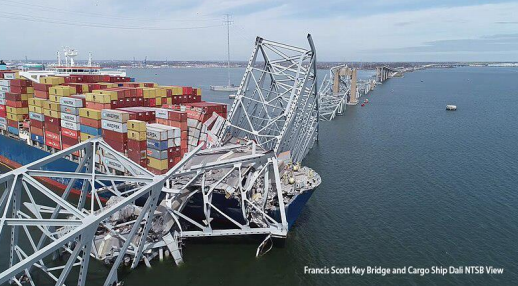
LP 32/2026 The Baltimore Bridge Collision: A Stress Test for P&I Club Mutual Mechanism
October 9, 2026

LP 32/2026 The Baltimore Bridge Collision: A Stress Test for P&I Club Mutual Mechanism

Read More
LP 30/2026 Risk Alert: Dry Bulk Cargo Shortage Claims in Bangladesh
September 1, 2026

LP 30/2026 Risk Alert: Dry Bulk Cargo Shortage Claims in Bangladesh

Read More
LP 20/2026 Chile Tightens Controls on Vessels Contaminated by Snails Entering Ports for Discharge
July 10, 2026

LP 20/2026 Chile Tightens Controls on Vessels Contaminated by Snails Entering Ports for Discharge

Read More
LP 21/2026 An Authoritative Report ≠ Conclusive Evidence: Breaking Through Cargo Shortage Claims
July 2, 2026

LP 21/2026 An Authoritative Report ≠ Conclusive Evidence: Breaking Through Cargo Shortage Claims

Read More
LP 16/2026 Reflections on a Recent Judgement by the Federal Court of Australia
June 12, 2026

LP 16/2026 Reflections on a Recent Judgement by the Federal Court of Australia

Read More
LP 15/2026 Reflections on London Arbitration 8/26
June 12, 2026

LP 15/2026 Reflections on London Arbitration 8/26

Read More
LP 13/2026 Marine Insurance Claims Handling for Vessel Groundings
June 12, 2026

LP 13/2026 Marine Insurance Claims Handling for Vessel Groundings

Read More
LP 10/2026 Risk Alert on Corn Cargo Damage at Egyptian Ports
June 12, 2026

LP 10/2026 Risk Alert on Corn Cargo Damage at Egyptian Ports

Read More
LP 09/2026 Dubai Customs Temporarily Facilitating Container Cargo Movement
March 13, 2026

LP 09/2026 Dubai Customs Temporarily Facilitating Container Cargo Movement

Read More
LP 08/2026 Iran Conflict: JWC Listed Areas Updated
March 5, 2026

LP 08/2026 Iran Conflict: JWC Listed Areas Updated

Read More
LP 07/2026 Maritime Security Update: The Persian Gulf
March 3, 2026

LP 07/2026 Maritime Security Update: The Persian Gulf

Read More
LP 05/2026 Weighing Anchor in Heavy Weather
February 27, 2026

LP 05/2026 Weighing Anchor in Heavy Weather

Read More