Skip to content

LP 15/2026 Reflections on London Arbitration 8/26

June 12, 2026Bulletins

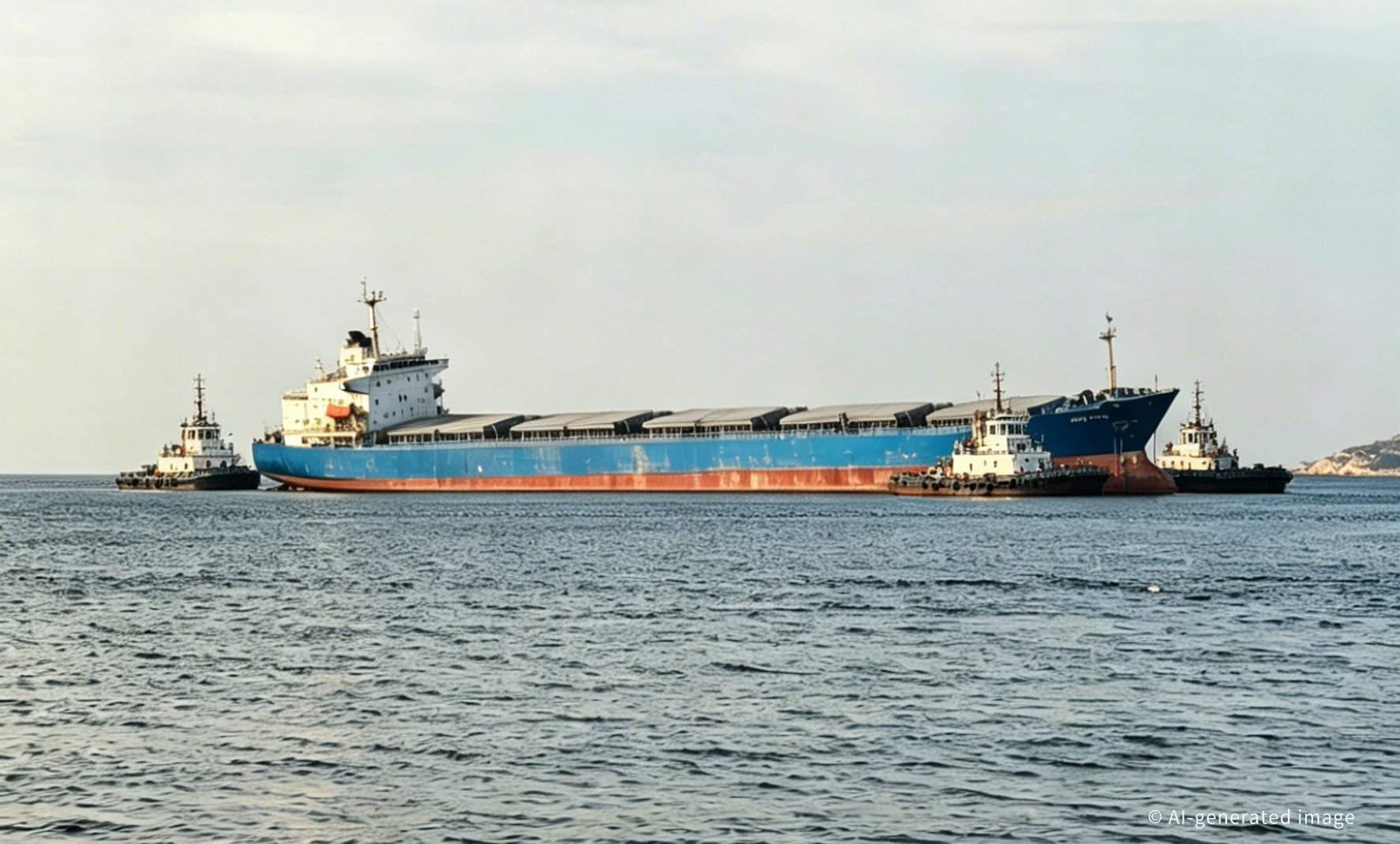
In January 2023, a vessel carrying ammonium nitrate was detained by the Russian Federal Security Service (FSB) while transiting the Kerch Strait.

Affected by the Russia-Ukraine conflict, Russia has further strengthened its control over the Kerch Strait, a critical maritime passage. In January 2023, a vessel carrying ammonium nitrate was detained by the Russian Federal Security Service (FSB) while transiting the strait. The reason for this was that the cargo is potentially usable in explosives. This detention resulted in the vessel being delayed for several months, subsequently triggering multiple legal disputes between the shipowners and charterers. After the disputes were submitted to London arbitration, the tribunal analysed the core legal issues one by one and rendered its award. Of particular note, the legal reasoning and adjudicative logic established by this award provide a valuable precedent for assessing contractual disputes under charterparties in the context of continuously escalating geopolitical risks in the Persian Gulf.

I. Key Highlights of London Arbitration 8/26

Case Overview: A vessel carrying ammonium nitrate was detained by the Russian Federal Security Service (FSB) at the Kerch Strait in January 2023, causing significant delay and disputes between owners and charterers under a Gencon 1994 voyage charterparty.

1. Dangerous Cargo

  • Holding: Ammonium nitrate was not legally dangerous cargo at the time of loading.
  • The FSB’s detention was an “unforeseeable and arbitrary” exercise of discretion, not based on any pre-existing legal prohibition.
  • No evidence showed that other vessels carrying similar cargoes had been detained before the fixture date.

2. Safe Port Warranty

  • The FSB’s intervention occurred after the charter was concluded and constituted an abnormal occurrence.
  • At the time the fixture was concluded, it could not be said that there was any unsafety or inaccessibility.
  • No breach of the “1 good safe port berth always afloat always available” (GSPB AAAA) warranty.

3. Documentation Obligations

  • Russian law did not require documents to specify the intended use of cargo.
  • The Certificate of Origin and bills of lading described the cargo as “Ammonium Nitrate Grade B”, which under the IMO Code denoted agricultural/fertilizer use.
  • No evidence suggested documentation deficiencies caused the FSB refusal.
  • Charterers not in breach of cargo documentation requirements.

4. Nomination of Alternative Port (Central Finding)

  • Charterers in breach of Clause 17 (Voywar 1993 war risks clause).
  • The FSB’s prohibition amounted to a war risk within the meaning of Clause 17, justifying owners’ invocation of the clause.
  • Owners' notice dated 15 February 2023 requesting alternative orders was valid.
  • Charterers failed to give prompt alternative instructions until 15 March 2023 — a 28-day delay.
  • The vessel was unjustifiably detained due to charterers’ failure to nominate an alternative safe port.

5. Frustration Defence

  • Charter not frustrated. Clause 17 provided an express mechanism for situations where performance was precluded by war risks.
  • Even if frustration had occurred, owners would still be entitled to recovery on a quantum meruit basis at the demurrage rate.

6. Quantum of Damages

  • Award: USD 123,200 (28 days at USD 4,400/day demurrage rate).
  • Demurrage rate appropriately reflected the parties’ agreed measure for loss of vessel use.
  • Owners not entitled to additional claims for provisions, bunkers, or crew wages (already covered by demurrage rate).
  • Interest awarded at 7% per annum, compounded quarterly.

II. Key Takeaways

The London Arbitration 8/26 award vividly illustrates how war and geopolitical risks can affect the performance of shipping contracts. Under English law, tribunals consistently tend to respect the express terms of contracts and adopt a cautious stance toward frustration claims. For shipowners, well-designed contractual clauses — particularly war risks clauses — and timely written notices are key to protecting their interests. For charterers, when nominating ports during periods of geopolitical volatility, they must exercise greater diligence in risk assessment and promptly make alternative arrangements in the event of crisis. Delayed responses may trigger significant liability for breach of contract and economic losses.


For more information, please contact Managers of the Association.

Explore More

LP 20/2026 Chile Tightens Controls on Vessels Contaminated by Snails Entering Ports for Discharge
July 10, 2026

LP 20/2026 Chile Tightens Controls on Vessels Contaminated by Snails Entering Ports for Discharge

Read More
LP 21/2026 An Authoritative Report ≠ Conclusive Evidence: Breaking Through Cargo Shortage Claims
July 2, 2026

LP 21/2026 An Authoritative Report ≠ Conclusive Evidence: Breaking Through Cargo Shortage Claims

Read More
LP 16/2026 Reflections on a Recent Judgement by the Federal Court of Australia
June 12, 2026

LP 16/2026 Reflections on a Recent Judgement by the Federal Court of Australia

Read More
LP 13/2026 Marine Insurance Claims Handling for Vessel Groundings
June 12, 2026

LP 13/2026 Marine Insurance Claims Handling for Vessel Groundings

Read More
LP 10/2026 Risk Alert on Corn Cargo Damage at Egyptian Ports
June 12, 2026

LP 10/2026 Risk Alert on Corn Cargo Damage at Egyptian Ports

Read More
LP 09/2026 Dubai Customs Temporarily Facilitating Container Cargo Movement
March 13, 2026

LP 09/2026 Dubai Customs Temporarily Facilitating Container Cargo Movement

Read More
LP 08/2026 Iran Conflict: JWC Listed Areas Updated
March 5, 2026

LP 08/2026 Iran Conflict: JWC Listed Areas Updated

Read More
LP 07/2026 Maritime Security Update: The Persian Gulf
March 3, 2026

LP 07/2026 Maritime Security Update: The Persian Gulf

Read More
LP 05/2026 Weighing Anchor in Heavy Weather
February 27, 2026

LP 05/2026 Weighing Anchor in Heavy Weather

Read More
LP 03/2026 CPI Review on Shipping Safety Risks 2025
January 30, 2026

LP 03/2026 CPI Review on Shipping Safety Risks 2025

Read More
LP 02/2026 New Standards for Biofouling Management in Brazil
January 20, 2026

LP 02/2026 New Standards for Biofouling Management in Brazil

Read More